

Hairdressers Work With Their Hands... But Their Whole Body Pays the Price
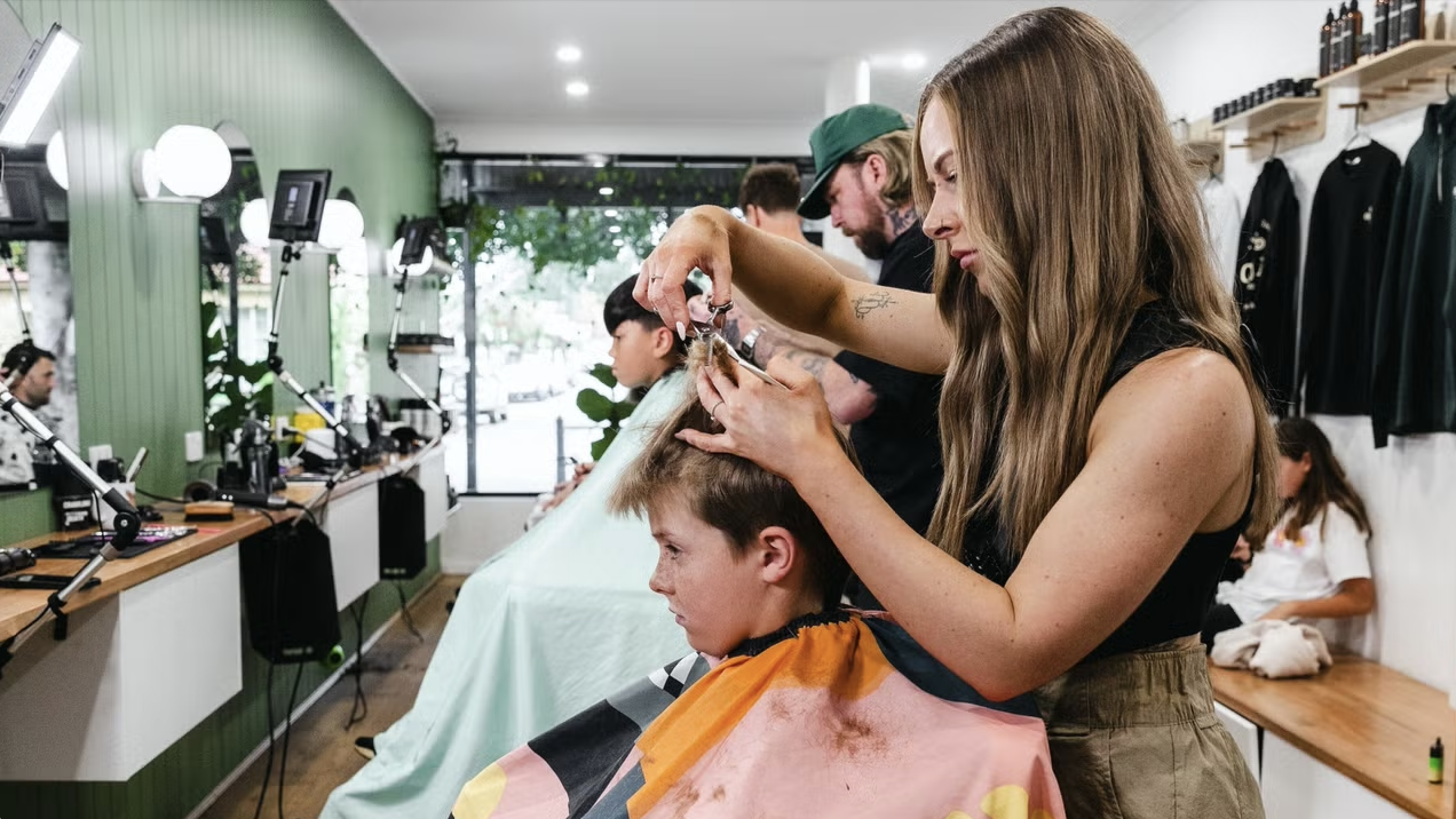
Why so many hairdressers develop neck pain, headaches, sore shoulders, back pain and how to build a body that lasts a career.
Most people see the finished result.
The fresh haircut.
The beautiful colour.
The confidence someone walks out of the salon with.
What they don't see is what it takes to create it.
Every haircut, every blow wave, every colour application and every style requires precision, focus and thousands of carefully controlled movements. Hairdressers spend hours on their feet, work with their arms elevated, lean over basins, twist around clients and perform repetitive tasks that demand incredible accuracy.
By the end of a busy week, it's not uncommon to hear comments like:
"My neck is killing me."
"I've got another headache."
"My shoulders feel so tight."
"My back always aches after work."
For many people in the industry, these aches and pains have become so common that they're accepted as just part of the job.
But they shouldn't be.
At Langwarrin Family Chiropractic, we believe your career shouldn't come at the expense of your health.
That's one of the foundations of The LFC Way.
Our goal isn't simply to help people get out of pain. It's to help them build a body that's capable of doing the things they love for years to come. Whether you're behind the chair five days a week, running your own salon or just starting your apprenticeship, your body deserves to move well, recover well and keep up with the demands of your career.
Hairdressers Are Everyday Athletes
When we think of athletes, we picture footballers, runners or Olympic swimmers.
But athletes aren't defined by how famous they are.
They're defined by what they repeatedly ask their bodies to do.
Professional athletes spend hours training their joints, muscles and nervous system so their bodies can handle the demands of competition. They don't just play their sport they prepare their bodies for it.
Hairdressers, on the other hand, spend forty or more hours every week asking their bodies to perform without ever being shown how to build the movement capacity those demands require.
Think about a typical day in the salon.
You might:
Stand for eight to ten hours.
Lift your arms hundreds of times.
Hold a hairdryer for extended periods.
Lean over the shampoo basin.
Twist around clients to find the perfect angle.
Perform thousands of small, repetitive hand and wrist movements.
Shift your weight onto one leg without even realising it.
Spend hours concentrating with your head slightly forward.
None of these movements are particularly demanding on their own.
But together, repeated day after day, week after week and year after year, they place an enormous workload on your body.
It's not usually one big movement that creates problems.
It's thousands of small ones.
At LFC, we often describe this as micro-loads adding up over time.
Eventually, your body begins leaving clues that it's struggling to keep up.
Those clues might start as stiffness when you wake up.
A neck that never quite loosens.
A shoulder that feels tighter than it used to.
Headaches that seem to appear more often after busy days.
Or a lower back that complains every Saturday afternoon.
Pain is rarely the first thing to happen.
More often, it's your body's way of saying it's been compensating for longer than it would like.
Your Body Was Designed to Move… Not Hold Positions
One of the biggest physical challenges of hairdressing isn't movement itself.
It's staying in the same positions for long periods.
Standing still.
Holding your arms up while cutting.
Looking down while colouring.
Leaning forward at the basin.
The human body loves movement.
Joints rely on regular movement to stay healthy, muscles rely on movement to share the workload, and your nervous system constantly uses movement to coordinate balance, posture and control.
When parts of the body stop moving as well as they should, something else has to compensate.
Muscles begin working harder.
Other joints begin taking on extra load.
Your body finds a way to keep you working—but often at a cost.
That's why simply treating the sore muscle isn't always enough.
At Langwarrin Family Chiropractic, we don't just ask:
"Where does it hurt?"
We ask:
"Why has your body needed to compensate in the first place?"
Because when we understand how your whole body is moving, not just the area that's painful then we're better able to help you build a body that's more resilient, more capable and better prepared for the demands of both your work and your life.
That's The LFC Way.
Build a Body That Can Keep Doing What You Love
The good news?
Just because your career is physically demanding doesn't mean pain has to become part of your job description.
Your body is incredibly adaptable.
Given the right environment, it can become stronger, move more efficiently and better handle the demands you place on it every day.
That's what we focus on at Langwarrin Family Chiropractic.
Not simply helping you feel better for a few days...
Helping you build a body that's better prepared for the life you want to live.
Because the goal isn't just surviving another busy Saturday.
It's finishing a long day at the salon and still having enough energy to go for a walk, exercise, play with your kids, catch up with friends or enjoy your weekend.
That's what health should give you.
Your Hairdresser Movement Scorecard
Before your body becomes painful, it often becomes stiff.
Before it becomes stiff, it often loses movement.
Here's a simple five-minute check you can perform every couple of weeks to see how your body is coping with the demands of your work.
Think of it like servicing your car before the warning light comes on.
1. Neck Rotation
Slowly turn your head to the left, then to the right.
Ask yourself:
Can I comfortably look over both shoulders?
Does one side feel noticeably tighter?
Does one side feel like it "hits a wall" sooner?
Your neck should rotate smoothly and relatively evenly in both directions.
2. Shoulder Reach
Raise both arms straight overhead.
Can both arms move comfortably beside your ears?
Or does one shoulder:
Feel tighter?
Pinch?
Stop earlier than the other?
Hairdressers rely on overhead movement every day.
Your shoulders should be ready for that challenge.
3. Hip Mobility ("Windscreen Wipers")
Sit comfortably on the floor with both knees bent and your feet flat.
Keeping your bottom on the ground, slowly let both knees fall together to one side.
Bring them back to the middle and repeat to the opposite side.
Notice:
Does one hip move much easier?
Does one side feel blocked?
Can you move smoothly without shifting your body?
This simple movement gives you a great idea of how well your hips are rotating, something that's essential for reducing unnecessary strain on your lower back while standing all day.
4. Upper Back Rotation
Sit tall with your arms crossed over your chest.
Rotate your body slowly to the left, then to the right.
Does one direction feel noticeably stiffer?
Your upper back is designed to rotate.
When it doesn't, your neck and lower back often end up doing more work than they were designed for.
5. Single Leg Balance
Stand on one leg for 30 seconds.
Repeat on the other side.
Ask yourself:
Do I wobble more on one side?
Does one hip fatigue quickly?
Can I stay relaxed?
Balance tells us a lot about how well your brain and body are communicating, and how efficiently your muscles and joints are working together.
What Do These Tests Mean?
These aren't pass or fail tests.
They're simply clues.
If you notice one side is much stiffer than the other...
If movements that used to feel easy now feel restricted...
Or if you're finding yourself compensating during simple movements...
Your body may be telling you it's time to pay attention.
Small restrictions today often become bigger problems tomorrow if they're ignored.
The earlier you listen, the easier they are to address.
Looking After Your Body Between Clients
The little things you do throughout the day often make the biggest difference over the course of a career.
Here are a few habits that can help support your body:
Keep Changing Positions
If you've been standing in one position for a while, change it.
Swap which foot carries your weight.
Take a few steps around the chair.
Keep your body moving whenever you can.
Movement is one of the best things you can give your joints.
Stretch Between Appointments
Even 30 seconds can help.
Roll your shoulders.
Open your chest.
Gently turn your neck.
Move your hips.
You don't need a full workout.
You simply need to remind your body that it's designed to move.
Build Strength Outside of Work
Your job isn't your exercise program.
Your job is your workload.
Strength training, walking, Pilates, yoga or regular mobility work help build the capacity your body needs to cope with that workload.
Professional athletes don't rely on competition to get stronger.
They train away from it.
Hairdressers deserve to do the same.
Prioritise Recovery
Sleep.
Hydration.
Nutritious food.
Regular movement.
Recovery isn't something that happens after you're injured.
It's what helps prevent injuries in the first place.
Where Chiropractic Fits In
At Langwarrin Family Chiropractic, we see chiropractic as part of a much bigger picture.
Yes, chiropractic care can help people experiencing neck pain, headaches, shoulder tension and lower back discomfort.
But our long-term goal is bigger than symptom relief.
We want to help your body move the way it was designed to move.
When your joints move more freely, your muscles don't have to work as hard to compensate.
When your nervous system can communicate more efficiently with your muscles and joints, movement often feels smoother, easier and more coordinated.
That doesn't just make work more comfortable.
It can make exercise easier.
Recovery quicker.
Movement more enjoyable.
Because when your body moves well at work, it also moves well everywhere else.
The LFC Way
Hairdressing is a career built around helping other people feel confident.
But while you're busy looking after everyone else, don't forget to look after the one person your clients rely on most, you!
The LFC Way isn't about waiting until something hurts.
It's about building a body that's ready for whatever life asks of it.
A body that can handle long days in the salon.
A body that can say yes to weekends away.
A body that can play with the kids after work.
A body that still enjoys travel, hobbies and an active retirement decades from now.
Because success isn't measured by how long you can push through pain.
It's measured by how well your body supports you throughout your entire life.
If you're a hairdresser who's been living with persistent stiffness, recurring headaches, sore shoulders or an aching back, don't ignore the clues your body is giving you.
Let's help you understand why your body is working so hard and create a plan to help it move, recover and perform at its best.
Because when your body moves well, life feels better.
And that's what The LFC Way is all about.