

Why Are More Kids Complaining of Headaches Than Ever Before?
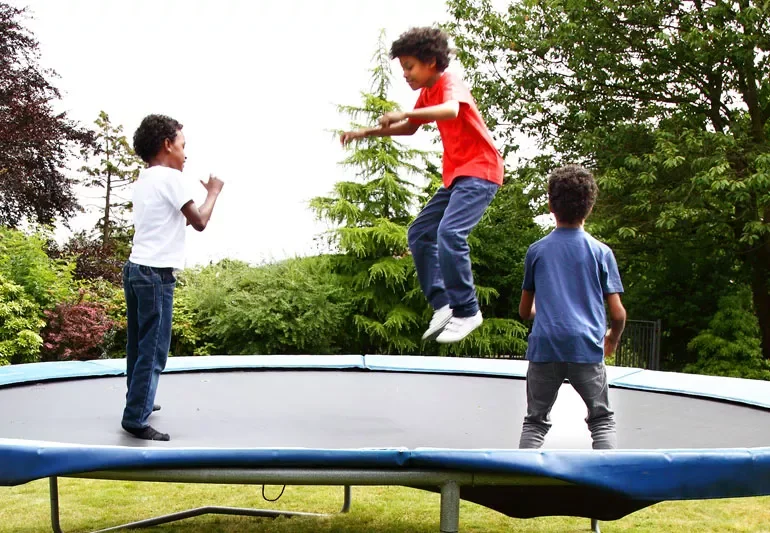
"My child's been complaining of headaches lately."
It's something we're hearing from parents more and more often.
Headaches were once thought of as something adults experienced after a stressful day at work. Today, however, children and teenagers are increasingly complaining of headaches, after school, during homework, following sporting activities, or even after spending time on their devices.
So what's changed?
The answer usually isn't just one thing. Instead, it's often the combination of how modern childhood has evolved.
The good news is that while headaches can have many different causes, there are often modifiable lifestyle and physical factors that may contribute. Understanding these factors is the first step towards helping your child feel their best.
Kids Weren't Designed to Sit Still
Think back to your own childhood.
You probably climbed trees, rode your bike until the street lights came on, hung upside down on the monkey bars, crawled through cubbies, balanced on fences, played backyard cricket and spent hours outside.
Without even realising it, you were constantly exposing your body to different movements and challenges.
Every jump, crawl, twist, climb and balance challenge helped your joints, muscles and nervous system develop.
Today's children live very differently.
Many now spend much of their day:
Sitting in the classroom
Looking down at laptops
Completing homework
Watching TV
Gaming
Using tablets or phones
Travelling between activities
Growing bodies are spending far more time sitting and far less time moving in the many different ways they were designed to.
Movement Is More Than Exercise
Movement isn't just about keeping kids fit.
It's one of the primary ways the developing brain and nervous system learn about the body.
Every time a child climbs, crawls, hangs, balances, skips or jumps, their brain receives an enormous amount of sensory information that helps develop:
Balance
Coordination
Body awareness
Posture
Motor control
Confidence in movement
Playground equipment, obstacle courses, rough-and-tumble play and outdoor adventures aren't just fun—they're helping the brain and body develop together.
When those opportunities decrease, we often see children's posture, movement quality and physical resilience begin to change.
The Rise of "Tech Neck"
One of the biggest changes we've seen over the past decade is the amount of time children spend looking down.
Whether it's:
iPads
Phones
Nintendo Switch
Gaming consoles
Laptops
Reading
Children often spend hours with their head positioned forward.
As the head gradually moves further forward, the muscles, joints and ligaments of the neck must work much harder to support it.
Over time this may contribute to:
Neck tension
Shoulder tightness
Upper back stiffness
Fatigue
Headaches
Many children don't realise their posture has gradually changed until discomfort begins to appear.
School Has Changed Too
Today's students face greater physical and mental demands than many parents remember.
Longer periods of sitting.
Homework.
Tutoring.
Assessments.
Exams.
Laptop learning.
When children spend hours concentrating, they often:
Hold tension in their neck
Shrug their shoulders
Clench their jaw
Hold their breath
Slouch through their upper back
These tension patterns can build over time and contribute to headaches, particularly during busy school terms.
Stress Doesn't Just Affect Adults
Children experience stress too.
Friendships.
School pressure.
Sporting commitments.
Family changes.
Social media.
Busy schedules.
Children don't always have the words to explain how they're feeling, but their bodies often tell the story first.
Stress commonly shows up as:
Tight shoulders
Neck tension
Jaw clenching
Poor sleep
Fatigue
Headaches
Supporting children's emotional wellbeing is just as important as supporting their physical health.
Falls, Bumps and Sporting Injuries
Kids are active—and that's a wonderful thing.
But with activity comes bumps and falls.
Think about how many times children fall from:
Bikes
Scooters
Trampolines
Monkey bars
Skateboards
Football fields
Basketball courts
Many recover quickly, but sometimes these impacts leave behind lingering stiffness or reduced movement in the neck and spine.
It's also important to remember that any child with a suspected concussion should be assessed and managed by an appropriately qualified healthcare professional. During recovery, it's equally important to ensure the neck is also assessed, as the forces that affect the head often affect the cervical spine too.
Small Things Add Up
Headaches are rarely caused by one single factor.
More often, they're the result of several smaller stresses adding together:
Less movement
More sitting
More screen time
Poor posture
School demands
Stress
Previous falls
Sporting impacts
Poor sleep
Dehydration
Individually they may seem insignificant.
Together, they can create enough stress for headaches to become more common.
Could Your Child Be Telling You They're Getting Headaches?
Not every child will say, "I've got a headache."
Younger children, in particular, may not recognise or describe what they're feeling.
Instead, you might notice they:
Frequently rub or hold their head
Ask to lie down after school
Become more irritable or emotional than usual
Avoid reading or homework
Lose interest in playing or sport
Say their eyes feel sore or tired
Become sensitive to bright lights or loud noises
Want more screen time because it's a quiet activity, but seem uncomfortable while using it
These signs don't always mean your child is experiencing headaches, but if you're noticing a pattern, it's worth having a conversation with your healthcare provider.
Where Does Chiropractic Fit In?
At Langwarrin Family Chiropractic, we don't just focus on where the headache is.
We look at the whole child.
This includes assessing:
Posture
Spinal movement
Neck function
Muscle tension
Lifestyle habits
Screen use
Sporting participation
Previous injuries
Daily movement patterns
Healthy movement throughout the spine plays an important role in helping children move comfortably and confidently through everyday life.
When joints become stiff and don't move as well as they should, surrounding muscles often compensate, increasing tension through the neck and upper back. At the same time, the nervous system relies on healthy movement from the spine to receive accurate information about how the body is moving and positioned in space.
Chiropractic care aims to improve joint movement and support healthy nervous system function. Every child is different, so any care recommendations are tailored to the individual following a thorough assessment.
Helping Your Child at Home
There are simple habits that can make a big difference.
Get Them Moving!
Encourage activities that challenge the body in lots of different ways.
Think:
Climbing
Crawling
Hanging
Balancing
Running
Jumping
Rolling
Playing outside
Movement variety helps growing joints, muscles and the nervous system develop together.
Take Screen Breaks
A good rule of thumb is to encourage children to move every 20–30 minutes.
Walk around.
Stretch.
Hang from a bar.
Throw a ball.
Even one or two minutes of movement helps.
Lift the Screen
Rather than looking down into their lap, encourage children to:
Bring devices closer to eye level
Sit with back support
Change positions regularly
Avoid staying in one posture for long periods
Prioritise Sleep
Growing brains and growing bodies recover during sleep.
A regular bedtime routine and reducing screen time before bed can support healthy development.
Don't Forget the Basics
Simple habits can make a surprisingly big difference.
Encourage your child to:
Drink enough water throughout the day.
Eat regular, nutritious meals.
Spend time outdoors every day.
Keep physically active.
Take breaks while studying.
Manage school bags so they're not overloaded.
🚩 When Should Parents Seek Medical Attention?
While many childhood headaches are related to common factors such as illness, dehydration, stress, poor sleep, posture or muscle tension, some headaches require prompt medical assessment.
You should seek medical advice if your child experiences:
A sudden, severe headache unlike anything they've had before.
A headache following a significant bump to the head or suspected concussion.
Headaches that become more frequent or progressively worse.
A headache accompanied by fever, a stiff neck or a rash.
Persistent vomiting, especially without another obvious cause.
Changes in vision, balance, coordination or speech.
Weakness, numbness or difficulty walking.
Confusion, excessive drowsiness or changes in behaviour.
Headaches that regularly wake them from sleep or are consistently worse first thing in the morning.
Seizures or loss of consciousness.
Any headache that simply doesn't seem right or causes you concern.
If you're ever unsure, it's always best to have your child assessed by your GP or seek urgent medical attention when appropriate.
The Bottom Line
Headaches are becoming increasingly common in children—but they shouldn't simply be accepted as "normal."
Modern childhood looks very different to the way many parents grew up.
Children are moving less, sitting more, spending longer on screens and carrying greater physical and mental demands than ever before.
The good news is that many of these factors can be addressed.
Encouraging more movement, improving posture, reducing prolonged screen time and having your child's posture and spinal movement assessed when concerns arise may all help support their growing body.
Is Your Child Complaining of Frequent Headaches?
If your child has been experiencing recurring headaches, neck tension or poor posture, it may be worth having them assessed to identify what factors could be contributing.
At Langwarrin Family Chiropractic, we take the time to thoroughly assess posture, spinal movement, lifestyle habits and overall function before discussing whether chiropractic care may be appropriate for your child.
Healthy kids love to move. Our goal is to help them move well, grow well, and enjoy being active for life.