

Tech Neck in Teenagers: Why It’s Rising and How Chiropractic Care Can Help
Local Case History: Patient H
Patient H presented to the clinic with discomfort around the lower mid-back and upper lower back region (thoracolumbar junction). He reported that prolonged sitting at school was uncomfortable and affecting his day to day activities. He played video games whilst laying down with his neck craning forward supported by a pillow for hours everyday. Prior to attending our clinic, he had previously sought physiotherapy care but continued to experience ongoing symptoms.
A detailed assessment was performed, including postural and functional examination. Findings indicated a markedly forward-flexed posture, with the head positioned well forward relative to the shoulders. Spinal examination identified several areas requiring further investigation, and based on the clinical findings, spinal imaging was recommended to assist with assessment and management planning.
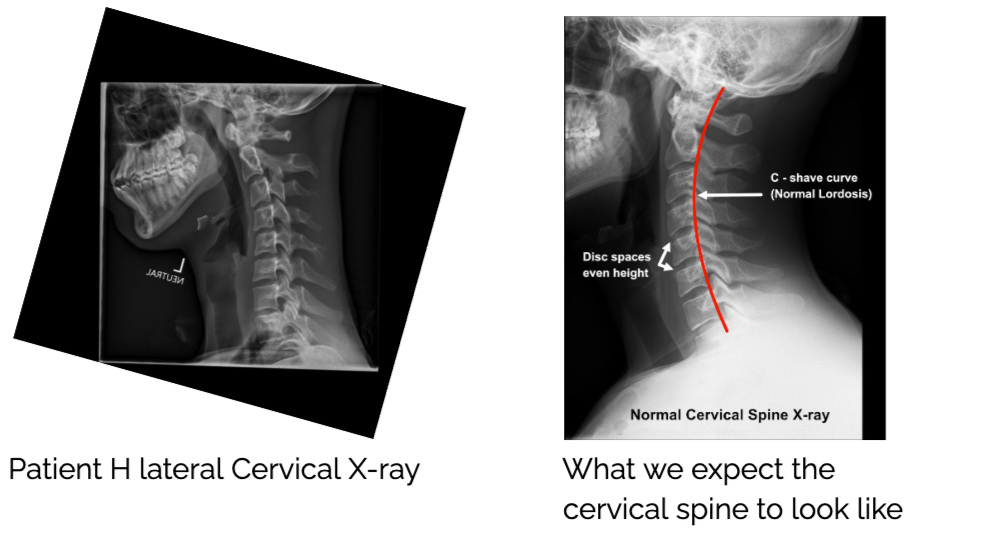
Imaging findings identified postural and spinal curve changes, including an increased lumbar lordosis, increased thoracic kyphosis, and reduced cervical lordotic curvature that was now reversing in the opposite direction to normal. These findings were discussed with Patient H and his family in the context of posture, daily habits, and overall spinal health.
Care focused on a combination of chiropractic management, postural advice, home exercises, and ergonomic recommendations, including strategies to improve gaming and study posture. A foam roller program, cervical denneroll, thoracic denneroll and postural exercises were also introduced as part of his home care plan.
At follow-up reassessment, Patient H demonstrated notable improvements in posture and reported that his back discomfort had settled. He also reported feeling more comfortable and confident in daily activities.
Results and outcomes may vary between individuals. This case history is provided for informational purposes only and does not constitute a guarantee of similar outcomes.
Teenagers today are growing up in the most digitally connected generation in history. Smartphones, tablets, laptops, and gaming devices have become essential parts of school, social life, and entertainment. While technology brings many benefits, health professionals are also noticing a growing rise in neck pain, poor posture, and muscle tension in young people often referred to as “tech neck.”
While tech neck is not considered a formal medical diagnosis, research increasingly shows that excessive device use and poor posture can contribute to neck discomfort, muscle fatigue, and spinal stress in adolescents. As these issues become more common, many families are turning to chiropractic care as part of a broader strategy to support posture, movement, and musculoskeletal health.
What is Tech Neck?
Tech neck is a term used to describe the strain placed on the neck and upper spine when the head leans forward for prolonged periods while using phones, tablets, laptops, or gaming devices.
Research published in BMC Musculoskeletal Disorders found a significant association between smartphone use and neck pain among adolescents, particularly in students with prolonged screen exposure and sedentary habits (Al-Hadidi et al., 2023). Similarly, studies examining smartphone posture have reported altered muscle activity and forward head positioning in teenagers who frequently use handheld devices.
Although occasional poor posture is unlikely to cause permanent damage, repetitive strain over time may contribute to:
Neck and shoulder tension
Headaches
Rounded shoulders
Reduced movement and flexibility
Poor postural habits
Increased physical fatigue
Importantly, researchers note that tech neck is multifactorial. Device use alone is not the sole cause; factors such as stress, inactivity, sleep quality, school workload, and physical conditioning also influence spinal health.
Why Supporting Teenagers Early Matters
Adolescence is a critical stage of growth and development. During these years, the spine, muscles, and posture control systems are still maturing. Habits formed now can influence long term musculoskeletal health into adulthood.
A systematic review on adolescent spinal pain found that posture, sedentary behaviour, and psychosocial stress all contribute to neck and back pain in young people (Minghelli et al., 2018). With many teenagers spending several hours per day on devices for both education and recreation, poor posture patterns can become increasingly difficult to correct without intervention.
This is why early awareness and proactive care matter.
How Chiropractic Care Can Support Teenagers
At its heart, chiropractic care is about helping the body move and function at its best. For teenagers experiencing symptoms related to tech neck, chiropractic care can offer gentle, supportive strategies to improve posture, mobility, and overall spinal wellbeing.
Many chiropractors take a holistic approach that may include:
Postural assessments
Gentle spinal adjustments or mobilisation
Stretching and strengthening exercises
Ergonomic advice for study and screen use
Education around healthy movement habits
Encouragement to stay active and engaged in physical activity
For many families, chiropractic care also provides something equally valuable - a space where teenagers feel heard, supported, and empowered to take ownership of their health.
When used alongside healthy lifestyle habits, chiropractic care may provide valuable support for teenagers experiencing neck tension, poor posture, and movement restrictions related to heavy device use.
Improving Spinal Mobility and Reducing Tension
One of the most common effects of prolonged screen use is stiffness through the neck, shoulders, and upper back. Chiropractic adjustments and mobilisation techniques aim to improve joint movement and reduce muscular tension in these areas.
Research on manual therapy for neck pain suggests that spinal manipulation and mobilisation can help reduce discomfort and improve movement, particularly when combined with exercise and posture correction strategies.
Teenagers often report benefits such as:
Improved neck movement
Less muscle tightness
Reduced headaches
Better comfort during study and sport
Greater awareness of posture
Let’s Help Teenagers Move Toward a Healthier
Supporting teenagers through the challenges of modern technology use is not about removing screens completely. It is about creating healthier balance.
Tech neck may be increasingly common, but it is also manageable. With the right support, teenagers can improve posture, reduce discomfort, and develop healthier habits that support them well into adulthood.
Research suggests that teenagers benefit most from early intervention, movement-based care, and education around posture and spinal health. Chiropractic care can play a supportive role by helping improve mobility, reduce tension, encourage better posture habits, and promote long-term musculoskeletal wellbeing.
As screen use continues to rise among young people, proactive approaches to spinal health may become increasingly important, not only for reducing pain today, but for supporting healthier movement patterns into the future.
Encouraging healthy movement, regular exercise, posture awareness, and supportive chiropractic care can help teenagers build stronger, healthier foundations for life.
Where to start?
If you’ve noticed your child’s posture doesn’t seem quite right, or they find it difficult or uncomfortable to “sit up tall” for long periods, it may be helpful to have them assessed by a chiropractor. A chiropractic assessment can help identify areas of tension, movement restriction, or postural habits that may be contributing to discomfort, and provide supportive care tailored to your child’s individual needs to help encourage healthy posture and overall wellbeing.
References
Al-Hadidi, F., et al. (2023). Association between smartphone use and neck pain among adolescents. BMC Musculoskeletal Disorders.
Minghelli, B., et al. (2018). Musculoskeletal spine pain in adolescents: Risk factors and prevention strategies. Chiropractic & Manual Therapies.
Kim, M.S. (2026). Effects of smartphone use on posture and cervical muscle activity in adolescents. Journal of Korean Physical Therapy.
Gustafsson, E., et al. (2017). Text neck and musculoskeletal discomfort among young smartphone users. Applied Ergonomics.