

When your child runs onto the field, court or pitch, it can be easy to focus on what’s happening right now.
Did they play well?
Did the team win?
Did they score?
Are they improving?
But something much bigger may be happening in the background.
Every training session, tough loss, early Saturday morning, position change, disagreement with a teammate and moment they have to keep going when they’re tired is giving them an opportunity to practise skills they’ll use long after their junior sporting days are over.
Because team sport isn’t only developing athletes.
It can help develop capable, resilient young adults.
And many of the lessons learnt through sport look surprisingly similar to the ones they’ll eventually need at work.
You Won’t Always Get to Be the Star
One week they play the whole game.
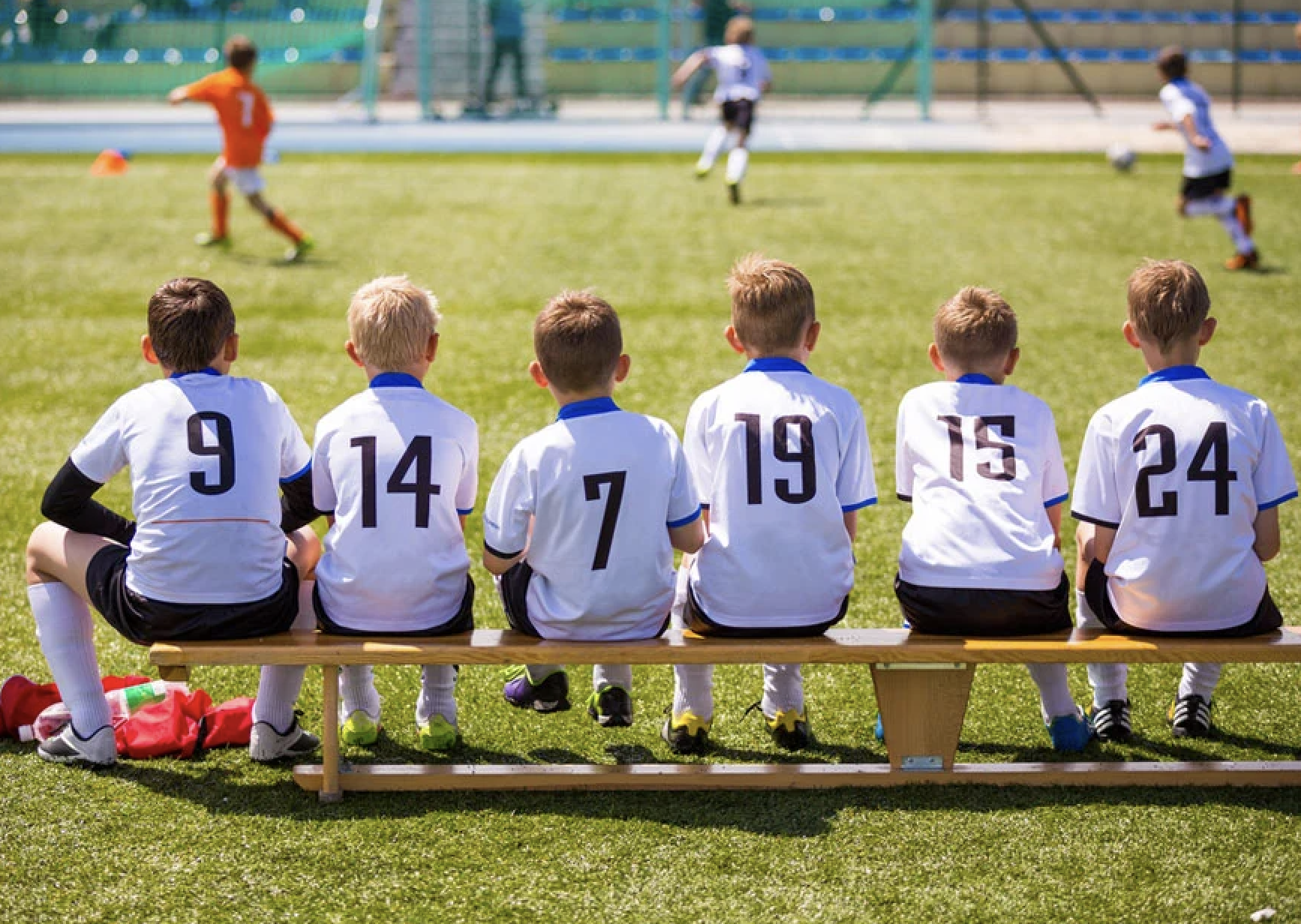
The next they spend time on the bench.
Sometimes they get the position they want. Sometimes someone else gets it.
Sometimes they play brilliantly and nobody notices.
That can be hard but it can also be valuable.
Sport teaches young people that being part of a team means contributing even when everything isn’t centred around them.
Later in life, workplaces aren't very different.
There will be projects where someone else gets the recognition. Managers they don't always agree with. Jobs they don't particularly enjoy doing. Days when their contribution is simply showing up and doing their part well.
Learning to be a good teammate can be an early lesson in learning to be a good colleague.
Learning How to Communicate
“Man on!”
“Switch!”
“I've got you.”
“Good job.”
“Next one.”
Sport requires constant communication.
Young athletes learn to listen to coaches, communicate under pressure, read body language, accept feedback and work alongside different personalities.
They also learn that communication isn’t always about talking.
It’s noticing when a teammate needs encouragement.
Listening when a coach is explaining something.
Knowing when to lead and when to follow.
Those are skills they'll need in relationships, workplaces and leadership roles for the rest of their lives.
Learning to Be Coached
This might be one of the biggest lessons sport can teach.
A coach points out something that needs improving.
How does your child respond?
Do they become defensive?
Do they ignore it?
Or can they listen, practise and try again?
Being able to receive constructive feedback without seeing it as failure is an incredibly valuable skill.
Because eventually the coach becomes a teacher, university lecturer, manager, business partner or colleague.
Kids who learn that feedback isn't criticism, it's information they can use to improve, are learning a skill that extends well beyond sport.
You Don’t Win Every Week
We naturally want our kids to succeed.
But losing has something to teach them too.
A missed goal. A bad game. Not making the team. Losing a final. Making a mistake at an important moment.
Sport provides opportunities for young people to experience disappointment and then discover:
I can learn from this and come back again.
And as parents, the conversation on the drive home can be just as important as what happened during the game.
Rather than immediately focusing on what went wrong, try asking:
What did you do well today?
What did your team do well?
What did the opposition do really well?
What’s one thing you can take from today into next week?
It shifts the conversation away from “What did you do wrong?” and towards reflection, learning and improvement.
There will always be things they could have done better, that's sport. But we don't want one mistake, one loss or one difficult game to become the only thing they remember.
Help them notice the wins that don't appear on the scoreboard: the great pass, the encouragement they gave a teammate, the effort they maintained, the way they responded after making a mistake, or simply something they learnt from watching the opposition.
And one day, the game changes.
Eventually, junior sport finishes.
The boots might get packed away, competitive sport might become social sport, and the teammates they saw three nights a week all head in different directions.
But the lessons don't disappear.
The scoreboard simply starts to look different.
At work, they won't get every promotion.
They won't always be chosen to lead the project.
Someone else may have a better idea.
A colleague may perform better than they do.
They'll receive feedback, make mistakes, have difficult days and sometimes put a huge amount of effort into something that doesn't produce the result they hoped for.
And that's when those early sporting lessons start to matter.
What did I do well?
What did my team do well?
What did someone else do that I can learn from?
What can I take into the next opportunity?
Instead of being defeated by what went wrong, they have already practised looking at a setback, learning from it and moving forward.
They've also learnt that someone else's success doesn't have to diminish their own.
You can respect the person who performed better.
You can learn from them.
You can congratulate them.
And then you can get back to work on improving yourself.
That's a pretty powerful skill to take from the sporting field into the workforce.
Because the goal was never just to raise a child who knows how to win.
It's to help develop an adult who knows what to do when they don't.
Consistency Usually Beats Motivation
Sport teaches kids pretty quickly that you can't rely on always feeling motivated.
Some days training feels great. Other days they're tired, it's cold, they'd rather be somewhere else, or things just aren't going their way.
But they still turn up.
Over time, something important starts to develop: a habit of doing what needs to be done, even when they don't particularly feel like doing it.
That's bigger than sport.
As adults, so much of life is built on the same principle. Being reliable, arriving prepared, meeting deadlines, following through on commitments and putting effort into the small things that nobody necessarily congratulates you for.
Employers aren't only looking for the person with the most talent. They value people they can depend on.
People who take responsibility.
People who don't need to be constantly reminded.
People who understand that doing the little things well, over and over again, is often what creates bigger results.
Years of training can quietly help build that mindset.
You don't have to feel motivated every day to keep moving towards something that matters.
Sometimes you simply turn up, do your part and do it well.
And that's a habit worth taking from the sporting field into whatever comes next.
Sport Also Teaches Them About Their Body
There is another important lesson young athletes can learn:
Their body is something worth looking after.
Training places load on growing muscles, joints and connective tissues. Then add school, sitting, screens, growth spurts, poor sleep, weekend competitions and sometimes multiple sports.
Young bodies can handle an enormous amount — but they still need recovery.
This is where we want young athletes to learn that looking after their body isn't something they only do once they're injured.
It's part of being an athlete.
Building a Body for More Than Sport
When we look after a young athlete at LFC, we're not only thinking about how their body is handling this week's training or whether they're ready for Saturday's game.
We're thinking longer term.
Because one day, the physical demands of sport will be replaced by a different kind of load.
Hours sitting at a desk.
Working on the tools.
Lifting, bending and carrying all day.
Long periods driving.
Standing on their feet for an entire shift.
Looking after children, maintaining a home, going to the gym and trying to fit everything else into a busy week.
The load changes, but the body still needs to be able to adapt to it.
That's why we want kids and teenagers to start learning early that looking after their body isn't something they only do when something hurts.
Chiropractic care can be one part of that foundation.
While they're growing and playing sport, we can assess how their joints are moving, identify areas that may need attention and help them understand the importance of mobility, strength, balance, coordination and recovery.
We can teach them to notice when their body isn't moving or feeling the way it normally does and give them strategies they can use themselves.
It's our Restore. Teach. Build. approach.
Restore movement and function where it needs attention.
Teach them how their body moves and what they can do to look after it.
Build the strength, movement capacity and healthy habits that support the demands being placed on their body.
Because the goal isn't to create a body that never gets sore or injured. That's not realistic.
The goal is to help young people develop an understanding of their body and a strong physical foundation that they can continue building on as the demands of life change.
The 16-year-old footballer we see today may eventually become the 35-year-old tradie lifting and carrying all day.
The teenage netballer may become the office worker spending eight hours at a desk.
The young basketballer may become the parent carrying a toddler on one hip while juggling work, exercise and everything else life throws at them.
What they're asking their body to do will change. The importance of looking after it won't.
So while chiropractic care can support the young athlete with the demands they're facing now, we're also helping them develop something we hope stays with them long after junior sport finishes:
An understanding that their body is worth looking after, not just when it hurts, but throughout every age and every stage.
The Scoreboard Isn't the Only Measure of Success
Your child might remember the grand final.
They might remember the goal they kicked or the race they won.
But the things that stay with them may be much bigger.
Showing up.
Working with others.
Handling disappointment.
Taking feedback.
Looking after their body.
Doing their part when nobody is watching.
Supporting someone else when it's their turn to shine.
Trying again after getting it wrong.
These are sporting lessons.
But they're also life lessons.
So next Saturday morning, while you're standing on the sideline with a coffee wondering why junior sport has to start quite so early, remember:
They're not just learning how to play the game.
They're learning how to be part of something bigger than themselves.
And that's a skill they'll carry far beyond the final whistle.